


From Concept To Ruggedized Product
Comments Off on From Concept To Ruggedized ProductFrom Concept To Ruggedized Product:
The Advantage Of Low Pressure Injection Molding (LPIM) At Scott Electronics Inc.
By Sean Balevre
Scott Electronics


As electronic devices become smaller, more rugged, and more advanced, OEMs face increasing pressure to protect sensitive components from moisture, chemicals, mechanical strain, and harsh environments. Traditional potting and encapsulation methods often fall short—slow cycle times, messy processing, high labor costs, and the risk of stressing delicate assemblies.
That’s why Low Pressure Injection Molding (LPIM) has become one of the most valuable capabilities in the EMS world. At Scott Electronics Inc., we’ve invested heavily in LPIM technology to help customers build more reliable, durable, and cost-effective products.
Whether you’re developing industrial sensors, complex wire harnesses, medical electronics, or rugged IoT devices, LPIM is a capability your contract manufacturer needs to have—here’s why.
What Is Low Pressure Injection Molding?
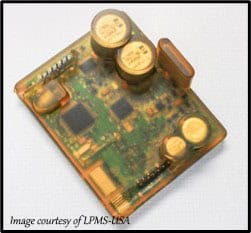
Low Pressure Injection Molding uses specialized polyamide-based “hot-melt” materials injected at extremely low pressures (typically 30–500 psi) to encapsulate and protect sensitive electronics. Because the pressure and temperature are far below what’s used in traditional plastic injection molding, the process is safe for:
- Populated PCBs
- Fine-pitch connectors
- Wire harness transitions
- Temperature-sensitive components
- Delicate solder joints
The material quickly cools and solidifies, creating a seamless protective shell with cycle times typically under 60 seconds.
At Scott Electronics Inc., our LPIM systems are set up to run high-mix or high-volume assemblies with rapid tool changes and precise control, allowing customers to take advantage of both speed and flexibility.
Why LPIM Matters for OEMs — And Why Scott Electronics Inc. Offers It!
1. Superior Protection for Sensitive Electronics

LPIM flows gently around fragile components without the mechanical stress or heat associated with traditional molding. This is critical for products exposed to:
-
- Vibration
- Moisture
- Dust and debris
- Oil, chemicals, or cleaning solvents
- Repetitive cable strain
Scott Electronics Inc. uses LPIM for everything from strain-relief molding on harnesses to full PCB encapsulation. Our customers in industrial controls, and medical sensing, and several others, rely on LPIM to guarantee reliability in demanding applications.
2. Faster Production and Lower Costs
Potting and silicone encapsulation require mixing, dispensing, leveling, and long curing cycles. LPIM eliminates all of that.
At Scott Electronics Inc., LPIM cycle times typically range from 20–45 seconds, enabling rapid scale-up without expanding labor or footprint. The process reduces:
- Total cycle time
- Material waste
- Handling steps
- Labor dependency
- Scrap from component damage
The result? Lower per-part costs and far more consistent output.
3. Clean, Repeatable, Professional Results
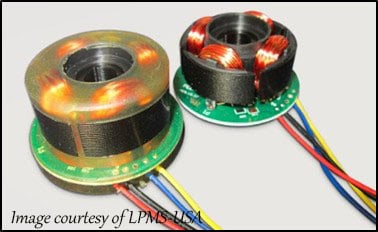
Potting can be functional—but messy. LPIM delivers molded, repeatable geometry with the ability to integrate:
- Logos
- Text
- Complex contours
- Tight tolerances
- Custom colors
Scott Electronics Inc. works closely with OEMs to design mold tooling that enhances both performance and aesthetics, helping your product stand out on both functionality and appearance.
4. Shorter Lead Times and Faster NPI
One of the biggest advantages of having LPIM in-house is agility.
Instead of outsourcing to a specialty molding house—adding lead time, shipping delays, and coordination overhead—Scott Electronics Inc. provides:
- Rapid prototyping
- On-site mold revisions
- Quick-turn engineering builds
- Localized process control
- Faster DFM feedback loops
This means you can iterate faster, resolve issues immediately, and get to market sooner.
5. Simplified Supply Chain and Greater Accountability
When encapsulation is outsourced, traceability becomes complicated. But when your EMS partner manages cable manufacturing, and LPIM under one roof, you gain:
- Single-source responsibility
- Streamlined quality control
- Easier failure analysis
- Reduced vendor management
- Improved schedule predictability
Scott Electronics Inc. integrates LPIM directly into the manufacturing flow, ensuring the product is built, encapsulated, and tested with no handoffs or risks introduced by third-party suppliers.
Why Scott Electronics Inc. Invested in LPIM
Scott Electronics has always focused on offering end-to-end manufacturing solutions tailored to rugged, high-reliability industries. We added Low Pressure Injection Molding to our capabilities for three key reasons:
 1. Customers Needed Better Environmental Protection
Many of our OEM partners required advanced sealing for harsh environments—industrial, medical, outdoor IoT—and LPIM consistently outperformed potting and epoxy systems.
2. Speed and Scalability Matter More Than Ever
Lead time compression is a real challenge. LPIM allows Scott Electronics Inc. to support rapid turnarounds and scalable production without sacrificing quality.
3. LPIM Completes Our Vertical Integration Strategy
We already provide cable assemblies, box-build, testing, and supply chain services. Adding LPIM creates a fully integrated, single-source manufacturing workflow—removing friction for our customers.
Final Thoughts: LPIM Isn’t Optional Anymore
Low Pressure Injection Molding has shifted from a specialized capability to a competitive necessity in modern electronics manufacturing. For OEMs looking to protect sensitive electronics, reduce cost, increase reliability, and accelerate production, LPIM is one of the smartest investments you can make.
And partnering with an EMS provider like Scott Electronics Inc., who provides LPIM in-house, ensures:
- Faster NPI
- Reduced production risk
- Higher product reliability
- Cleaner aesthetic outcomes
- A simpler, more efficient supply chain
If your product involves cables, connectors, environmental sealing, or PCB protection, Scott Electronics Inc. is equipped to support you with state-of-the-art LPIM services and decades of EMS expertise!